What Salah Means in Everyday Life
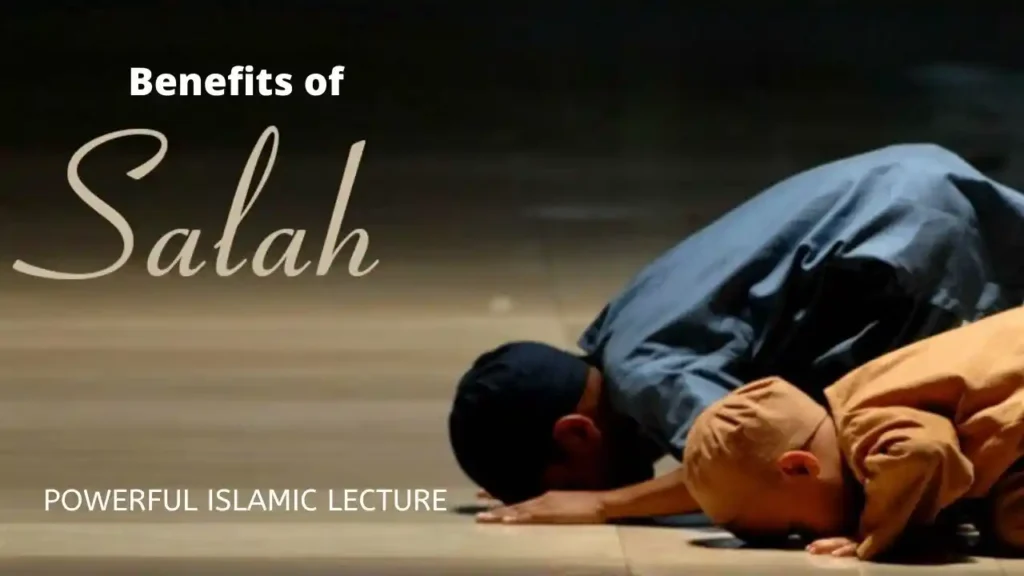
Salah is more than a ritual task for many people who practice Islam. When we talk about the Importance of Salah in Islam we are really talking about a daily rhythm that shapes how a person feels, thinks, and connects with life. Salah brings a moment of calm in the middle of busy days. It is a time to pause and remember values that matter most. In the quiet curve of each prayer a gentle sense of peace often settles in the heart.
Many people describe Salah as a chance to reset attention and intention. It is a reminder to be aware of kindness, gratitude, and presence. For those who wonder why Muslims pray it is not about habit alone but about remembering what grounds their spirit.
A Personal Connection with God
One reason the Importance of Salah in Islam stands out is because Salah creates a personal connection with God. Prayer becomes a place where thoughts soften and priorities become clearer. When someone kneels in prayer they may feel a sense of closeness that words cannot easily describe. It feels like a private moment that is also shared with millions around the world.
People often say that in prayer they feel heard and held. Even when a day feels heavy with stress or uncertainty, Salah can be a moment of release and quiet trust. This is part of the benefits of prayer in Islam that many come to value deeply over time.
Building Peace in the Heart
Salah has a way of influencing emotions in a calm and supportive way. The Importance of Salah in Islam is seen in how it helps people manage worry, sadness, or confusion. Prayer invites you to bring all of yourself to that moment, without judgment. In that space you can acknowledge your feelings and gently let them unfold.
There are days when the line between busyness and overwhelm feels thin. On those days, turning to prayer can feel like resting in a shade after walking in the sun. This experience of peace is one of the reasons why Muslims pray with commitment and softness in their hearts.
A Guide to Better Days
The Importance of Salah in Islam is not only about the present moment but about shaping the future. Regular prayer encourages consistency in life. When someone prays regularly they create a pattern that can help with focus and self care. Moments of prayer can act as calm checkpoints that nurture emotional resilience over time.
This sense of guidance does not come from the act itself but from the intention behind it. When prayer is offered sincerely it can bring wisdom and clarity about what matters most in life. Many people reflect on this as a key benefit of prayer in Islam.
Growing in Gratitude

Gratitude becomes easier to recognize when someone prays regularly. One side of the Importance of Salah in Islam is how prayer opens space to see blessings often taken for granted. When hands are raised in prayer or placed gently over the heart there is a reminder of all that has been given and all that is possible.
This feeling of thankfulness extends beyond prayer time. People often notice that they carry gratitude into their conversations, their work, and their relationships. This gentle shift is one of the quiet ways prayer supports a meaningful life.
Finding Strength in Routine
There is a steady comfort in routine that many find in Salah. The Importance of Salah in Islam becomes clearer when someone looks back on years of worship. Each prayer is like a warm line in a long story of faith. Over time that continuity helps form a sense of inner strength and balance.
Routine prayer can be especially grounding when life feels unpredictable. It reminds a person that some things remain steady and true. For those who ask why Muslims pray regularly, this calm consistency is often part of the answer.
Connecting with Community
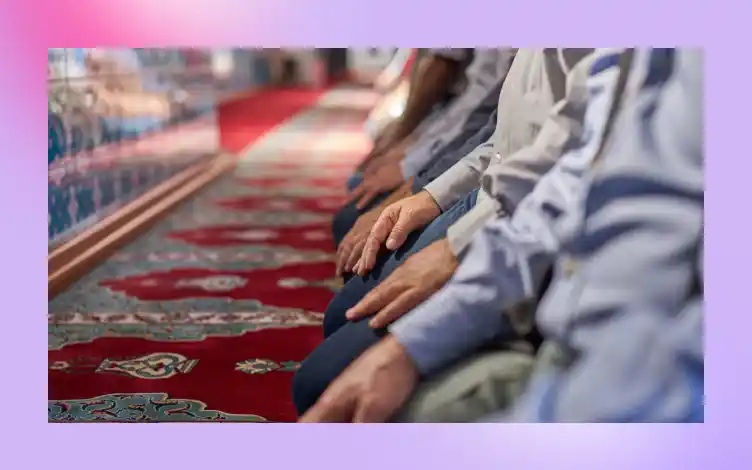
The Importance of Salah in Islam goes beyond the individual to include shared experience. When people pray together, there is a sense of unity and belonging. Whether in a mosque, at home, or in public space, collective prayer can create a quiet feeling of harmony and shared intention.
Community prayer does not erase personal struggle or difference, but it does invite an awareness that others also seek peace, hope, and meaning. This shared journey can be comforting in a world where people often feel alone in their hopes and fears.
A Time for Reflection
Reflection is a natural part of prayer. The Importance of Salah in Islam includes how prayer creates room to think about life thoughtfully. It invites someone to consider how they treated others, what they hoped for, and how they want to grow. This quiet reflection can be grounding and heartfelt.
This is one reason people often feel a sense of renewal after prayer. It offers a moment to look inward with kindness and clarity. When that reflection becomes a gentle habit it can influence daily choices with care and meaning.
Offering Help and Care
Prayer also influences how people act in the world. Because Salah helps cultivate compassion and calm, many find themselves more aware of others needs. The Importance of Salah in Islam can be seen in how prayer nurtures empathy and motivates caring acts in everyday life.
When someone prays with sincere intention, their awareness of community, family, and neighbors often grows deeper. This does not happen overnight but over a lifetime of mindful prayer. It is one of the silent ways the practice ripples outward into kindness.
A Lifelong Journey
At its heart the Importance of Salah in Islam lies in its capacity to support a lifelong spiritual journey. Prayer is both a place of comfort and a guide toward mindful living. Through the quiet moments of prayer many people feel a sense of continuity, purpose, and peace that stays with them through the rhythms of life.
For those who have wondered why Muslims pray, this rhythm of connection, calm, and reflection reveals a path that many cherish deeply. Salah invites someone to show up fully in each moment and to live with intention, hope, and care.
As you reflect on the role of prayer in your own life or in the lives of others you may notice how meaningful moments arise from simple acts of presence. In prayer there can be a space of stillness that holds gratitude, compassion, and clarity. That quiet presence can follow someone into their daily spaces and shape the year with warmth and thoughtful intention.
FAQ Examples:
- What is Salah in Islam? – Salah is the ritual prayer in Islam, performed five times a day, serving as a direct connection between a Muslim and God.
- Why is Salah important for Muslims? – Salah helps Muslims maintain spiritual focus, gratitude, and mindfulness, reflecting the daily importance of their faith.
- What are the benefits of prayer in Islam? – Regular prayer provides inner peace, emotional stability, and strengthens the bond with God while promoting reflection and discipline.
- How does Salah impact daily life? – Salah encourages consistency, helps with personal reflection, and nurtures a calm and balanced approach to daily responsibilities.
- Why Muslims pray five times a day? – Praying five times a day allows for continuous spiritual connection and reminders of faith, grounding Muslims in gratitude and purpose.