Understanding the Place of Salah in the Quran
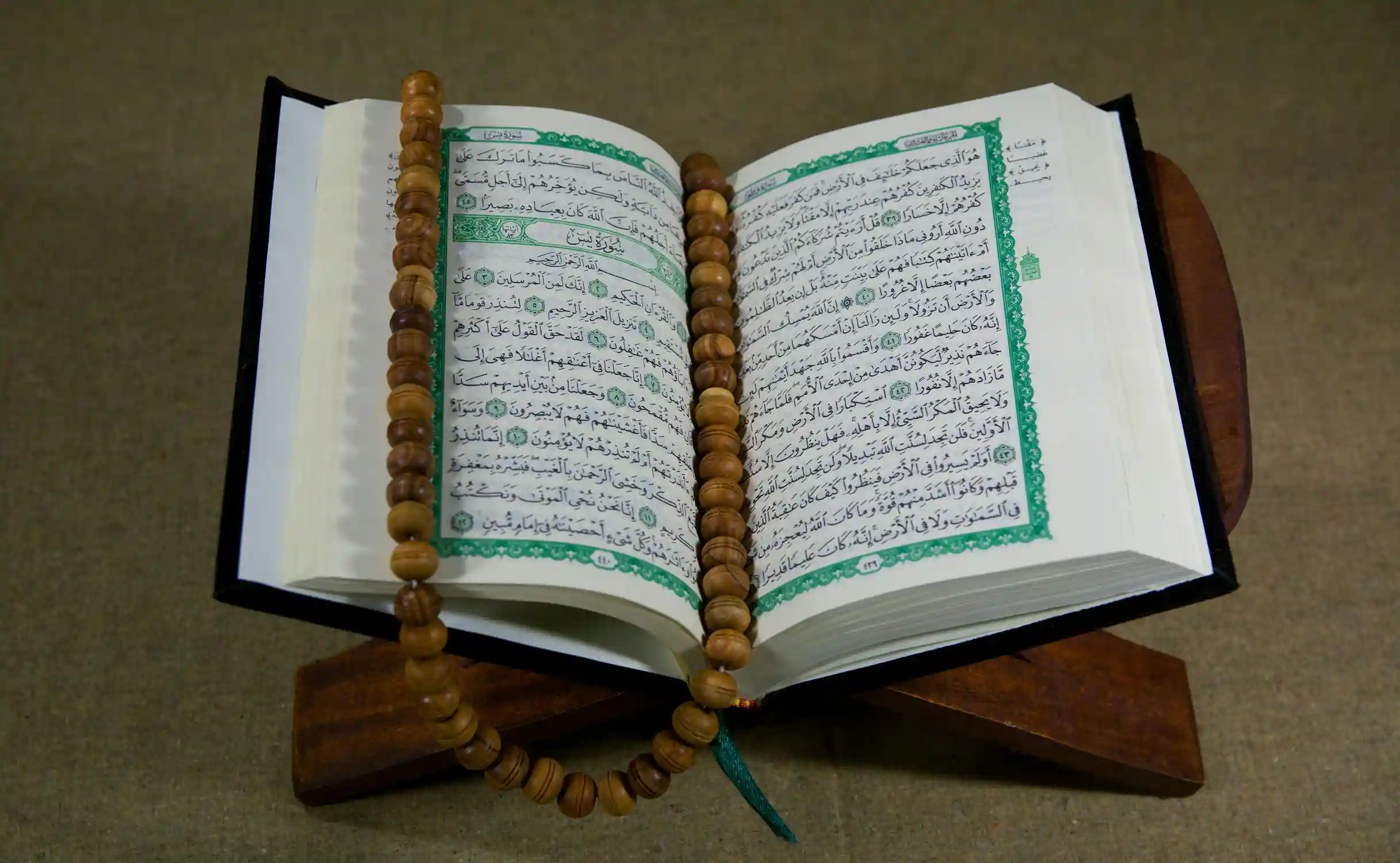
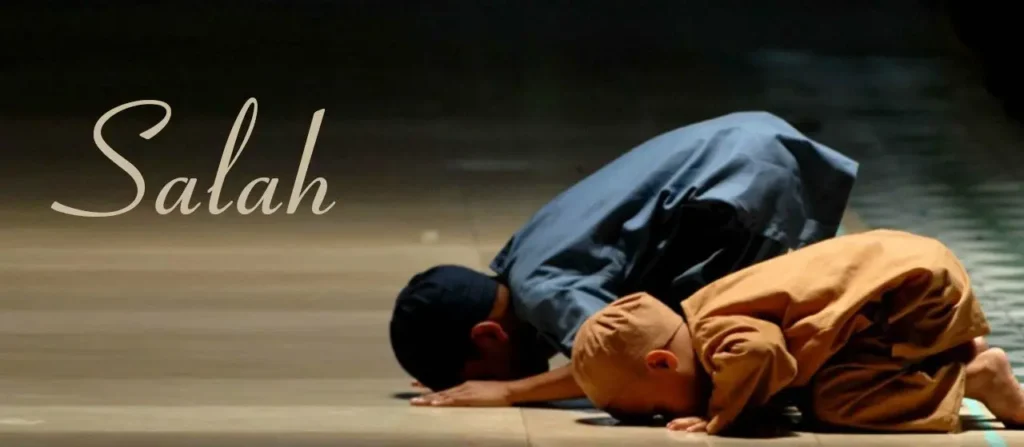
Salah is one of the most repeated acts of worship mentioned in the Quran. Muslims across the world pause their daily routines five times a day to stand before Allah in prayer. This regular connection helps believers stay mindful of their purpose and responsibilities in life. The Quran reminds people that prayer is not only a ritual but also a way to strengthen faith and discipline.
When reading Quran verses about prayer, it becomes clear that Salah holds a central role in a Muslim’s spiritual life. It is described as a way to remember Allah, seek guidance, and stay on the right path. While many people reflect on Ramadan fasting benefits during the holy month, the Quran consistently emphasizes that prayer remains a daily source of peace and direction throughout the entire year.
Why Salah Is Mentioned Repeatedly in the Quran
The Quran repeatedly calls believers to establish prayer. This repetition highlights its importance for personal growth and spiritual stability. Prayer creates moments of pause in the middle of busy days. These moments allow a person to reflect on their actions and intentions.
Many scholars explain that when the Quran discusses the importance of worship, Salah is often mentioned before other acts of devotion. This shows that prayer forms the foundation of a strong relationship with Allah. People often discuss Ramadan fasting benefits during the month of fasting, yet the daily rhythm of prayer provides consistent guidance long after Ramadan ends.
Quran Verses About Prayer and Their Meaning
A Reminder of Faith and Responsibility
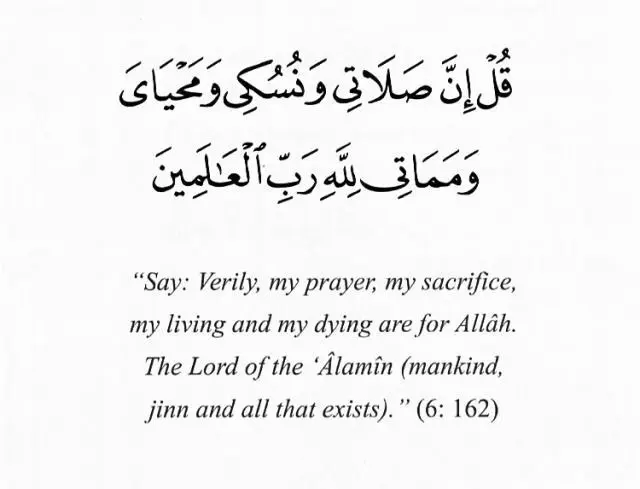
Several Quran verses about prayer encourage believers to remain steady in their worship. One well known verse explains that prayer helps protect people from wrongdoing and harmful behavior. When a person prays regularly, they become more aware of their choices and how those choices affect others.
This reminder appears again and again throughout the Quran. Just as people reflect on Ramadan fasting benefits such as patience and gratitude, prayer also teaches similar values through daily practice. Each prayer becomes a quiet moment where a person reconnects with their faith and renews their intentions.
Prayer as a Source of Comfort
Life often brings stress, uncertainty, and emotional challenges. The Quran presents Salah as a place of comfort during difficult times. Many believers describe how standing in prayer brings calm to the heart and clarity to the mind.
In the same way that Ramadan fasting benefits include developing patience and self control, regular prayer helps people manage emotions and remain balanced. When someone bows and prostrates before Allah, they are reminded that they are never alone in their struggles.
The Benefits of Five Daily Prayers in Everyday Life
Building Discipline and Structure
The benefits of five daily prayers extend beyond spiritual growth. Salah brings structure to daily life. Each prayer time creates a natural pause that helps people step away from stress and reconnect with what truly matters.
This rhythm is similar to how Ramadan fasting benefits include improved self awareness and mindful living. When someone performs Salah regularly, they learn to manage time better and remain focused on both spiritual and personal responsibilities.
Strengthening Community and Connection
Prayer also strengthens the bond between people. When Muslims gather in mosques or pray together with family, they experience a sense of unity and shared purpose. These moments remind individuals that faith is not only a personal journey but also a collective experience.
Just as Ramadan fasting benefits include empathy for others and generosity toward those in need, congregational prayer encourages kindness and cooperation within communities. The shared act of worship brings people closer together and builds trust among them.
The Spiritual Impact of Consistent Prayer
Developing Inner Peace
Many believers find that regular prayer gradually transforms their inner life. The quiet moments of recitation and reflection help the heart slow down and focus on gratitude. Over time, this practice can reduce anxiety and create a sense of balance.
People often talk about Ramadan fasting benefits such as spiritual renewal and deeper reflection. Salah provides a similar opportunity every single day. Each prayer becomes a chance to release worries and seek guidance for the next steps in life.
Growing a Strong Relationship with Allah
Prayer is also a conversation between a believer and Allah. Through recitation, supplication, and reflection, a person expresses gratitude, asks for forgiveness, and seeks help. This regular communication strengthens faith and trust.
While Ramadan fasting benefits encourage spiritual reflection during a special month, Salah ensures that this connection continues throughout the year. It keeps faith active and alive in everyday moments.
Understanding the Consequences of Missing Salah

The Spiritual Loss
Islamic teachings often remind believers about the seriousness of neglecting prayer. Some scholars discuss the punishment for missing Salah as a warning to emphasize its importance. These teachings are not meant to create fear alone but to encourage responsibility and awareness.
Just as people value Ramadan fasting benefits and strive to complete the fast with sincerity, the same level of commitment is encouraged for daily prayers. Missing Salah regularly can weaken spiritual discipline and distance a person from the guidance found in worship.
Returning to Prayer with Sincerity
At the same time, Islamic teachings emphasize mercy and forgiveness. If someone has struggled with maintaining prayer, they are always encouraged to return with sincerity. Allah values effort and intention, and every step back toward prayer is meaningful.
In a similar way, people who experience Ramadan fasting benefits often feel motivated to improve other parts of their spiritual life. Prayer becomes the natural place to begin rebuilding that connection.
How Salah Shapes Character and Daily Behavior
Prayer does more than fulfill a religious obligation. It shapes how a person interacts with others and approaches daily challenges. The repeated acts of standing, bowing, and prostrating remind believers of humility and gratitude.
Many of the values associated with Ramadan fasting benefits such as patience, empathy, and generosity are reinforced through regular prayer. When someone pauses five times a day to remember Allah, they become more mindful of their actions and their impact on the world around them.
Over time, this awareness influences decisions at work, at home, and within society. Prayer becomes a quiet guide that encourages honesty, kindness, and responsibility in everyday life.
Reflection for the Year Ahead
As life moves quickly from one season to the next, moments of reflection become more important. Salah offers those moments every day. Through prayer, a believer steps away from noise and reconnects with purpose, gratitude, and hope.
Many people reflect deeply on Ramadan fasting benefits during the holy month, noticing how fasting softens the heart and strengthens patience. When that spirit continues through daily prayer, the lessons of Ramadan stay alive long after the month ends.
Each prayer is a reminder that faith grows through small consistent actions. By turning toward Allah regularly, believers find guidance, comfort, and strength for whatever the future may bring. In this quiet rhythm of worship, the heart learns to move forward with trust and sincere intention
FAQs (Frequently Asked Questions)
Why is Salah important in the Quran?
Salah is important in the Quran because it strengthens a Muslim’s relationship with Allah and reminds believers to stay mindful of their actions. The Quran repeatedly encourages Muslims to establish prayer as a way to maintain faith and spiritual discipline.
How many times is prayer mentioned in the Quran?
Prayer is mentioned many times in the Quran in different contexts. These verses highlight its importance as a daily act of worship that keeps believers connected to Allah and guides them toward righteous living.
What are the benefits of five daily prayers?
The benefits of five daily prayers include spiritual peace, self discipline, time management, and a stronger connection with Allah. Regular prayer also helps believers remain patient, humble, and mindful in their daily lives.
What does the Quran say about missing Salah?
Islamic teachings warn believers about the punishment for missing Salah because prayer is a major obligation. However, the Quran also emphasizes Allah’s mercy and encourages people to return to prayer with sincerity and repentance.
How does Salah improve daily life?
Salah improves daily life by creating moments of reflection and calm. It helps believers manage stress, stay focused on their values, and maintain balance between worldly responsibilities and spiritual growth.