Understanding the Background of the Battle
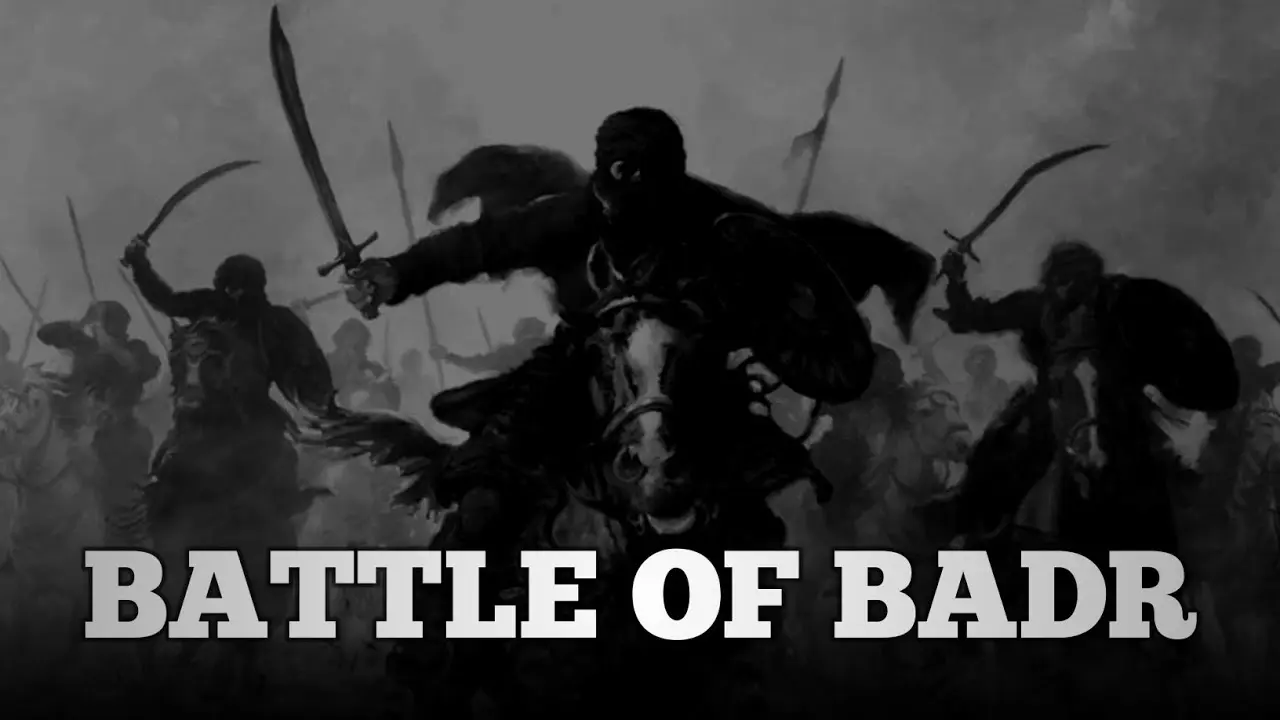
The Battle of Badr in Islam was the first major military encounter between the Muslims of Madinah and the Quraysh of Makkah. It took place in the second year after Hijrah, on the 17 Ramadan Battle of Badr. At that time, the Muslim community was still small and facing constant threats.
The Prophet Muhammad peace be upon him and his companions had migrated from Makkah to Madinah to escape persecution. The conflict at Badr was not planned as a large war. It began as an attempt to intercept a caravan but quickly turned into a decisive battle that changed Islamic history.
The Situation Before the Battle
In Madinah, the Muslim community was building a new society based on faith and justice. However, the Quraysh leaders in Makkah saw this growth as a threat. Tensions increased, and both sides prepared for confrontation.
The Battle of Badr in Islam occurred near a well known area called Badr, located southwest of Madinah. The Muslims were around three hundred in number, while the Quraysh army was nearly one thousand strong. This difference in numbers makes the event deeply significant in Islamic memory.
The Day of 17 Ramadan
The 17 Ramadan Battle of Badr holds special meaning for Muslims. It was a day of intense prayer and trust in Allah. Before the battle began, the Prophet Muhammad peace be upon him spent long hours supplicating. He asked Allah for support and protection for the believers.
The Battle of Badr in Islam was not just a physical struggle. It was a test of faith. The companions stood firm despite fear and uncertainty. The Quran later mentioned that angels were sent to assist the believers. This reminder strengthened their hearts and affirmed that victory comes from Allah alone.
A Ghazwa e Badr Summary
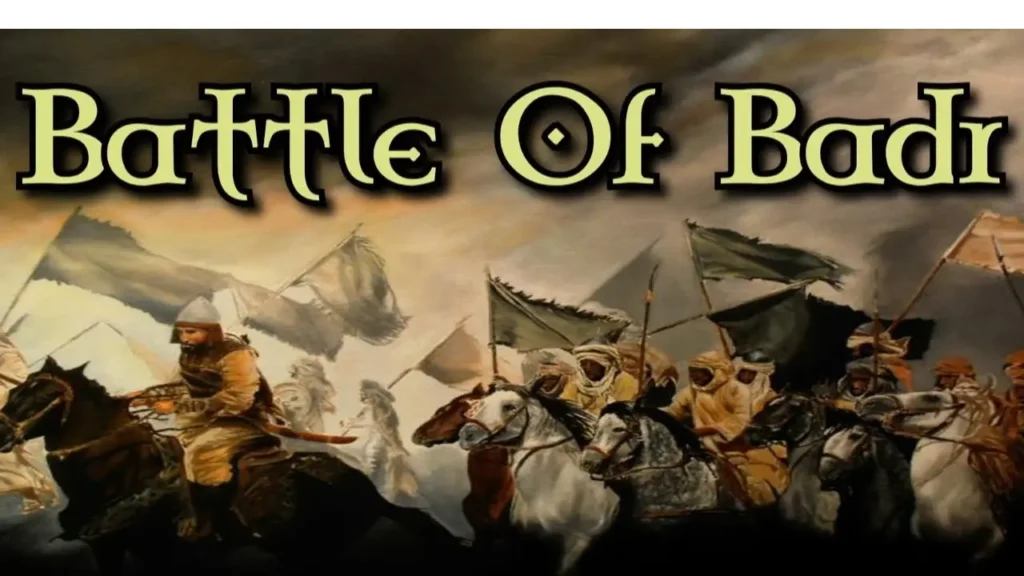
A simple Ghazwa e Badr summary shows how a small group with limited resources faced a much larger army. The Muslims had fewer weapons and animals. Yet they were united by belief and purpose.
The Battle of Badr in Islam ended with a clear victory for the Muslims. Several key leaders of the Quraysh were defeated. This outcome had a strong impact on the region. It gave the Muslim community confidence and established their presence in Madinah as a serious and growing force.
The Emotional Weight of the Battle
Behind the historical details are human stories. Many companions faced relatives on the battlefield. Brothers, cousins, and former friends stood on opposite sides. The emotional strain was real and painful.
The Battle of Badr in Islam reminds us that faith sometimes requires difficult choices. Loyalty to truth and justice may come with personal cost. These human moments make the event relatable even today, especially for those who struggle between values and social pressure.
Lessons from Battle of Badr for Modern Life
There are many Lessons from Battle of Badr that apply beyond history. One clear lesson is the power of unity. The companions stood together despite fear. They trusted their leader and relied on Allah.
Another lesson is that success is not only about numbers or resources. The Battle of Badr in Islam teaches that sincerity and effort matter deeply. In daily life, whether facing career challenges in the United States or family struggles in the United Kingdom, faith and perseverance remain essential.
Trust and Preparation
While the Muslims trusted Allah, they also prepared as much as they could. They organized their ranks and consulted each other. This balance between trust and effort is central to Islamic teaching.
The Battle of Badr in Islam shows that reliance on Allah does not mean ignoring practical steps. It means doing your best and leaving the outcome to Him. This mindset reduces anxiety and builds resilience in personal and professional life.
The Impact on the Muslim Community
After Badr, the Muslim community in Madinah gained respect and recognition. Tribes across Arabia began to take notice. The victory strengthened internal bonds and increased confidence.
The Battle of Badr in Islam also served as a moral lesson. It reminded believers that arrogance and oppression do not lead to lasting success. The Quran addressed the event, highlighting that victory was a gift from Allah and not a reason for pride.
Spiritual Reflections on Badr
Beyond strategy and numbers, Badr was a spiritual turning point. It showed that a small group with deep faith can overcome great odds. The companions saw firsthand how prayers were answered.
The Battle of Badr in Islam invites us to reflect on our own battles. They may not involve armies, but they involve doubts, fears, and tests of character. The story of Badr encourages patience and steady belief during uncertain times.
Relevance of Badr in Today’s World
In modern societies, people often measure success by wealth or influence. The story of Badr offers a different lens. It reminds us that moral strength and faith are powerful foundations.
The Battle of Badr in Islam continues to inspire Muslims across generations. Whether living in Canada, Australia, or elsewhere, believers find comfort in knowing that early Muslims faced great hardship and remained firm. Their example gives hope during personal trials.
A Gentle Reflection for the Year Ahead
As a new year approaches, it can be helpful to reflect on moments of courage in Islamic history. The Battle of Badr in Islam is one such moment. It teaches us to combine faith with action, patience with effort, and hope with responsibility.
Take time to think about the Lessons from Battle of Badr in your own life. Consider where you need stronger trust in Allah and where you need better preparation. Let the memory of 17 Ramadan Battle of Badr inspire steady faith in the months ahead. May this year bring clarity, resilience, and a heart anchored in trust.
Frequently Asked Questions
What was the Battle of Badr in Islam?
The Battle of Badr in Islam was the first major battle between the Muslims of Madinah and the Quraysh of Makkah. It took place in the second year after Hijrah and marked a turning point for the early Muslim community.
When did the 17 Ramadan Battle of Badr take place?
The 17 Ramadan Battle of Badr occurred in 2 AH, which corresponds to the year 624 CE. It happened during the month of Ramadan and is remembered as a day of faith, prayer, and trust in Allah.
How many Muslims fought in the Battle of Badr?
Around three hundred and thirteen Muslim companions participated in the battle. They faced a much larger Quraysh army of about one thousand soldiers.
What is a simple Ghazwa e Badr summary?
A Ghazwa e Badr summary explains that a small Muslim force, led by the Prophet Muhammad peace be upon him, faced a stronger Quraysh army near the wells of Badr and achieved victory with the help of Allah.
What are the main Lessons from Battle of Badr?
The main Lessons from Battle of Badr include trust in Allah, unity among believers, the importance of preparation, and the understanding that true success comes from faith and sincerity rather than numbers alone.